


Tax analysts are asking the Ghana Revenue Authority (GRA) to proceed cautiously with its plan to tax the foreign income of Ghanaians living abroad.
The Authority recently disclosed that it has issued more than 1,000 letters to citizens holding assets or earning income overseas, directing them to reconcile foreign tax payments with domestic obligations.
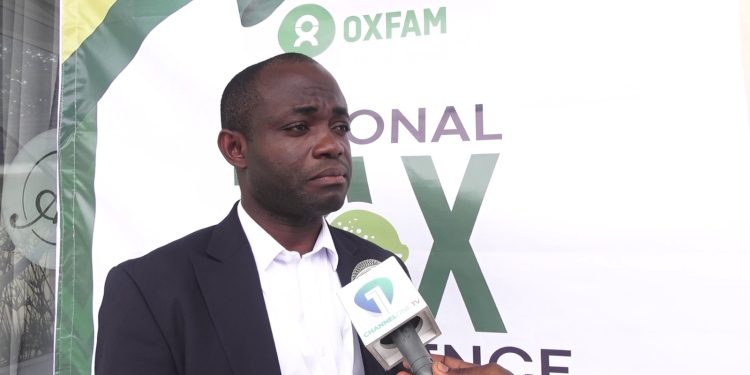
Speaking to Citi Business News, tax analyst Francis Timore Boi welcomed efforts to broaden the tax net but warned that without safeguards, the initiative could expose taxpayers to unfair double taxation.
He stressed the need for data accuracy and strong public education to ensure compliance and build confidence in the process.
“We must apply the tax treaties properly to prevent duplication of tax payments. Where needed, education should be the first step. Accuracy is also critical because not every flagged account belongs to a taxable Ghanaian resident. Mistakes could damage trust.”
“Finally, if enforcement is perceived as punishment for lack of awareness, since many may not even know they must declare foreign income it could backfire. The GRA should focus on encouraging compliance, not discouraging it,” he noted.
Meanwhile, speaking at the 2025 Annual International Tax Conference held on August 23, 2025, The Commissioner General of GRA, Anthony Sarpong, said the foreign income taxation initiative leverages global data-sharing systems under the automatic exchange of information framework.
The move, he explained, is to ensure Ghana receives its fair share of taxes and close compliance gaps that have long undermined revenue mobilisation.
“This is an area where we have put it in a very high gear. We have a team that is strongly working on it because we have a hub into the global network. Today, if you have investments and assets and you are earning income outside Ghana, we do receive this information. We are working to ensure that if they have paid taxes on those assets outside, we can now compare with what they ought to pay in Ghana and if there is any differential of those taxes, Ghana can also earn it fair share,” he said.
The enforcement is expected to widen Ghana’s tax net and strengthen efforts to boost non-oil revenue amid ongoing fiscal consolidation.
Credit: citinewsroom.com





More Stories
Ghana remains 4th in Africa with highest debt to IMF
Ghana Cedi slides as import-driven dollar demand rises
Trade fraud is killing the cedi