


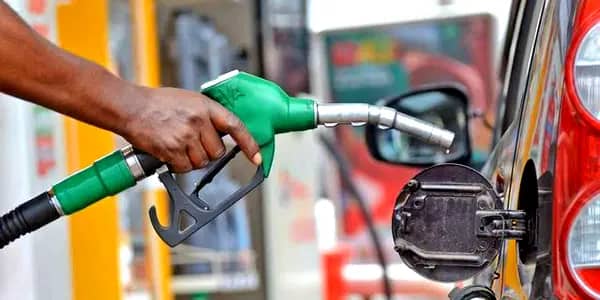
Dr. Riverson Oppong, the Chief Executive Officer-Chamber of Oil Marketing Companies (COMAC), is hinting at imminent hoarding of petroleum products by oil marketing companies (OMC) to take advantage of the next pricing window.
In an interaction with a B&FT correspondent, Dr. Oppong believes fuel prices are set for a hike to about GH₵15 a litre due to the war between Israel and Iran. Currently, the country faces a growing risk of fuel supply uncertainty amid escalating tensions between Israel and Iran, which have sent shockwaves across global oil markets.
Indeed, Dr. Oppong confided that Ghana is low on reserves – which makes the situation even more precarious, as prices at the pumps in this current window remains uncertain.
According to an earlier release from COMAC, Ghana spends over US$400million monthly on fuel imports. This is due to lack of a strategic fuel reserves system, infrastructure limitations and inefficiencies across the supply chain and distribution.
This overdependence on imports and low reserves exposes the country to the brunt of any global oil price shake-up.
“Obviously, landing prices of crude oil products from next week – or even the later part of this week – will surely change,” Dr. Oppong stated.
To avoid such situations in future, he advocated establishing a fuel buffer stock to improve the country’s reserves. He believes this will help cushion the country against vagaries of geopolitical tensions and other external factors which have the potential of disrupting both the price and supply of oil products in Ghana.
Additionally, COMAC has urged government to revive Tema Oil Refinery (TOR) to restore local refining capacity and ensure the effective operation and proper resourcing of Bulk Oil Storage and Transportation (BOST) to enhance the fuel supply chain, national strategic reserves and storage capacity.
Most importantly, government should ensure there is adequate foreign exchange reserves for petroleum imports to ensure stability in the fuel supply chain.
Global oil prices have been rising since the Israel-Iran war started on June 13. According to Reuters, brent crude oil price jumped 13 percent to an intraday high of US$78.50 a barrel and later dropped to US$74.23 on the same day – which is still 7 percent higher than the previous day.
It has since increased to sell at US$76.48 a barrel as of June 18.
Credit: B&FT






Ghana is facing a critical situation with its fuel supply due to global tensions and low reserves. Dr. Oppong’s warning about potential hoarding and price hikes highlights the urgency of addressing these challenges. The lack of a strategic fuel reserve system and over-reliance on imports make the country vulnerable to global oil market fluctuations. Reviving TOR and strengthening BOST could be key steps toward ensuring fuel security. How can the government effectively implement these measures to stabilize the fuel supply? Given the growing economic instability due to the events in the Middle East, many businesses are looking for guaranteed fast and secure payment solutions. Recently, I came across LiberSave (LS) — they promise instant bank transfers with no chargebacks or card verification. It says integration takes 5 minutes and is already being tested in Israel and the UAE. Has anyone actually checked how this works in crisis conditions?
Thank you very much for your valuable opinion.
As a matter of fact, it is evident in government’s recent decision to revamp and upgrade TOR, that they are aware of the shortcomings and pitfalls you have just cited. All indications are that the government is very much forward looking, especially for the accelerated recovery of the economy and it’s stability.