


By News Ghana
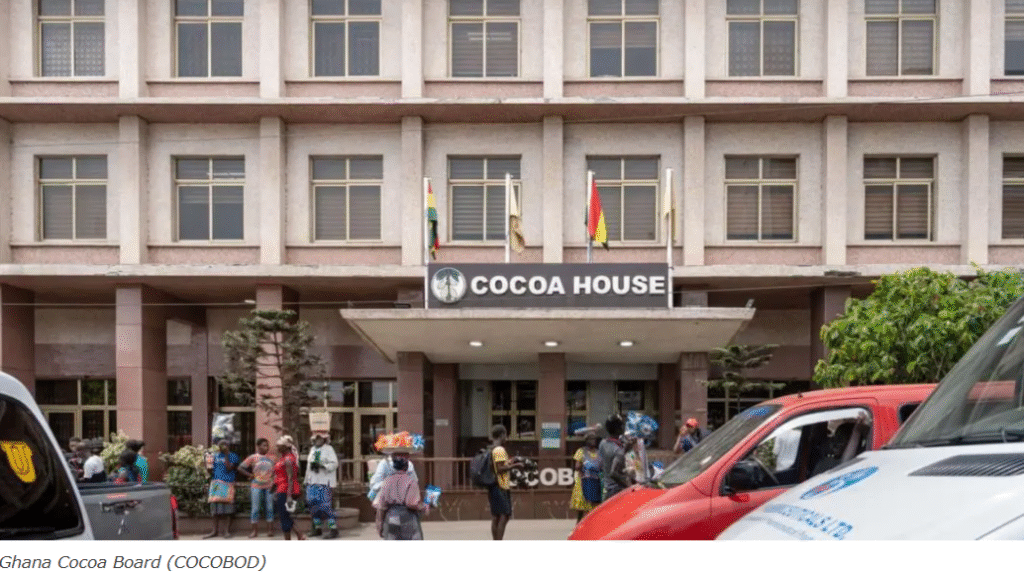
Ghana’s cocoa industry achieved a significant financial milestone as the state cocoa marketing board cleared GH¢2 billion in coupon arrears to bondholders, signaling renewed fiscal discipline in one of the country’s most critical export sectors.
The Ghana Cocoa Board paid GH¢2 billion to holders of its restructured cocoa bills, now classified as bonds under the Domestic Debt Exchange Programme, with payments executed on Monday, September 1, 2025, primarily benefiting commercial banks that faced significant exposure during the debt restructuring exercise.
The settlement addresses obligations from bonds tied to debts of Ghana Cocoa Board that were restructured in 2023 to ease fiscal pressures, with banks granted temporary flexibility to hold these bonds without stringent capital penalties. The debt clearance represents a crucial step in restoring confidence in Ghana’s cocoa financing mechanisms.
COCOBOD has committed to honor an additional GH¢1.9 billion in coupon payments scheduled for 2026 and 2027, alongside principal repayments, without delays. This pledge demonstrates the institution’s determination to maintain payment schedules and rebuild creditor confidence following previous financial challenges.
The conversion from short-term cocoa bills to longer-term bonds occurred with support from local banks serving as transaction advisors. Officials characterized the restructuring as part of comprehensive efforts to strengthen COCOBOD’s finances, restore market confidence, and ensure sustainable funding for annual cocoa purchase operations.
Industry analysts emphasized that the repayment significantly improves COCOBOD’s credit standing while enhancing access to fresh financing at competitive rates ahead of the upcoming cocoa season. The financial discipline demonstration could also strengthen Ghana’s overall investment climate by showcasing improved debt management practices.
COCOBOD Chief Executive Dr. Randy Abbey, who joined the organization following his appointment by President John Dramani Mahama effective January 21, 2025, reaffirmed the institution’s commitment to financial stability. Abbey emphasized management’s goal of placing COCOBOD on solid footing by the current administration’s first term conclusion.
Abbey brings vast experience in corporate governance, management consultancy, and communications to COCOBOD at a pivotal time, transitioning from his previous role as a prominent media personality and football administrator to lead Ghana’s cocoa sector transformation efforts.
In complementary developments, Bank of Ghana Governor Dr. Johnson Asiama revealed that COCOBOD expects inflows exceeding US$4 billion from buyers through new pre-financing arrangements. The facility will finance cocoa purchases for the 2025/26 crop season while strengthening Ghana’s international reserves and supporting cedi stability.
The financial improvements come as Ghana’s cocoa sector faces production challenges. COCOBOD has indicated the country is likely to miss the 610,000 tonne cocoa production target for the current season, having raised only 590,000 tonnes, highlighting ongoing operational challenges despite financial recovery efforts.
The debt settlement reflects broader progress in Ghana’s financial sector recovery. Due to debt restructuring as part of International Monetary Fund criteria, COCOBOD creditors agreed to accept 12.5% interest on their bonds instead of 30% and defer maturing bonds over 5 years, demonstrating international cooperation in supporting Ghana’s economic stabilization.
COCOBOD’s financial rehabilitation occurs against a backdrop of global cocoa market volatility and domestic production constraints. The organization has faced mounting operational pressures, with the World Bank warning that rising debt and operational inefficiencies could destabilize the vital cocoa industry despite soaring global cocoa prices.
The bond payments primarily benefited commercial banks that held significant COCOBOD exposure following the debt exchange programme. These institutions faced regulatory challenges related to bond holdings, making timely coupon payments essential for banking sector stability and future cocoa financing arrangements.
Success in clearing arrears positions COCOBOD to negotiate more favorable terms for future financing needs. The organization requires substantial annual funding to purchase cocoa from farmers and maintain the country’s position as a leading global cocoa producer despite recent production declines.
Ghana’s cocoa sector generates significant foreign exchange earnings and employs hundreds of thousands of farmers across the country. COCOBOD serves as the sole purchaser of cocoa beans from farmers, making its financial health crucial for rural livelihoods and national economic stability.
The US$4 billion pre-financing arrangement represents one of COCOBOD’s largest financing facilities, reflecting renewed international confidence in the organization’s financial management and Ghana’s cocoa sector prospects. The facility’s success depends on maintained production levels and continued financial discipline.
Abbey’s leadership represents a departure from traditional cocoa sector management, bringing external perspective and communication expertise to an organization requiring modernization and efficiency improvements. His media background could enhance transparency and stakeholder engagement in COCOBOD operations.
With arrears cleared and fresh financing secured, stakeholders express optimism about COCOBOD’s stability prospects, setting foundations for smoother operations in Ghana’s most critical export sector. The improvements demonstrate that sustained financial discipline can restore confidence and attract necessary investment capital.
The financial rehabilitation success provides a template for other state enterprises facing debt challenges, illustrating how systematic restructuring combined with operational improvements can restore institutional credibility and market access.
Looking ahead, COCOBOD’s challenge involves maintaining financial discipline while addressing production constraints that have reduced Ghana’s global cocoa market share. The organization must balance farmer payment obligations with debt service requirements while investing in productivity improvements.
The debt clearance milestone represents significant progress in Ghana’s broader economic recovery efforts, demonstrating that state enterprises can successfully navigate debt crises through strategic restructuring and disciplined financial management practices.
Credit: newsghana.com.gh





More Stories
Ghana remains 4th in Africa with highest debt to IMF
Ghana Cedi slides as import-driven dollar demand rises
Trade fraud is killing the cedi