


By UTCHE OKWUOSAH
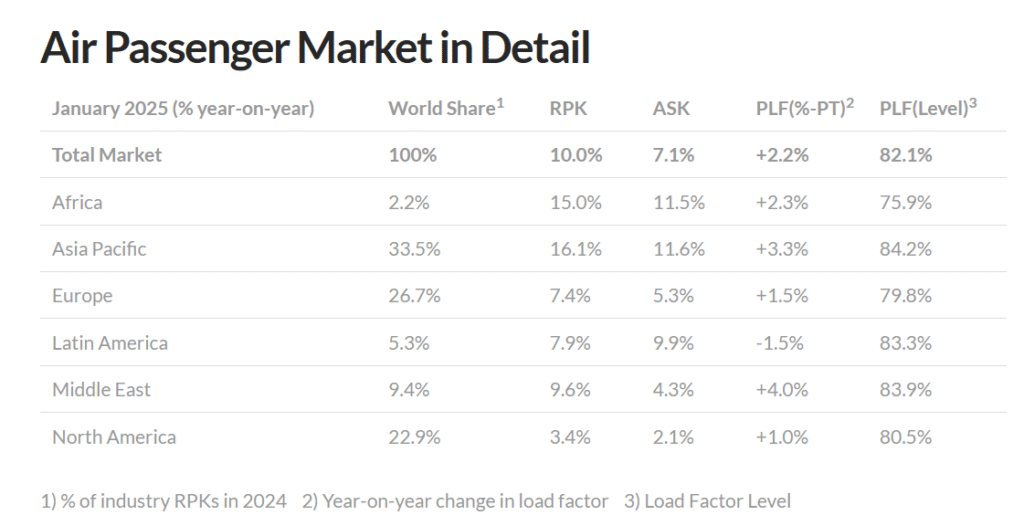
Surely, there has been encouraging positive reports from different dependable aviation and tourism authorities on the prospects of global aviation enterprise in the post-pandemic era. The unanimous projections foresee a favorable growth era ahead for aviation, despite the challenges of our modern world. Is it time, therefore, for Ghana’s national airline to dare another comeback attempt?
Overview
In the wake of the recent COVID-19 worldwide pandemic onslaught, the global aviation industry (Travel and Tourism sector) experienced a drastic dip in its erstwhile upward trending growth trajectory.
According to analysts, the impact of the COVID-19 pandemic was unprecedented, surpassing the effects of previous ones: From the “Spanish” influenza pandemic of 1918, to the Third plague pandemic, the influenza pandemic, the Hong Kong flu, the cholera pandemic, the HIV/AIDS pandemic, to the most recent COVID-19 pandemic.
In his study of the trends of the tourism sector after the COVID-19 pandemic, Stavros G. Efthimiou of the University of Piraeus, Greece, noted that, before the emergence of COVID-19, “tourism accounted for a significant percentage of GDP around the world…approaching 20.5% in OECD countries. In many countries, especially those that have a greater dependence on this particular industry, the growth rate of the specific sector was higher than that of the national economy during the period before the pandemic, whereas after it appeared the contribution of the respective sector to the GDP of OECD countries was reduced by 1.9%.”
The Ghana situation was not different either, as the 2023 Ghana Tourism Report attests to the same global trend attributed to the effects of the COVID-19 pandemic.
“In 2019, international arrivals stood at 1,130,307. The subsequent year saw a sharp decline of 69% due to the COVID-19 pandemic.”
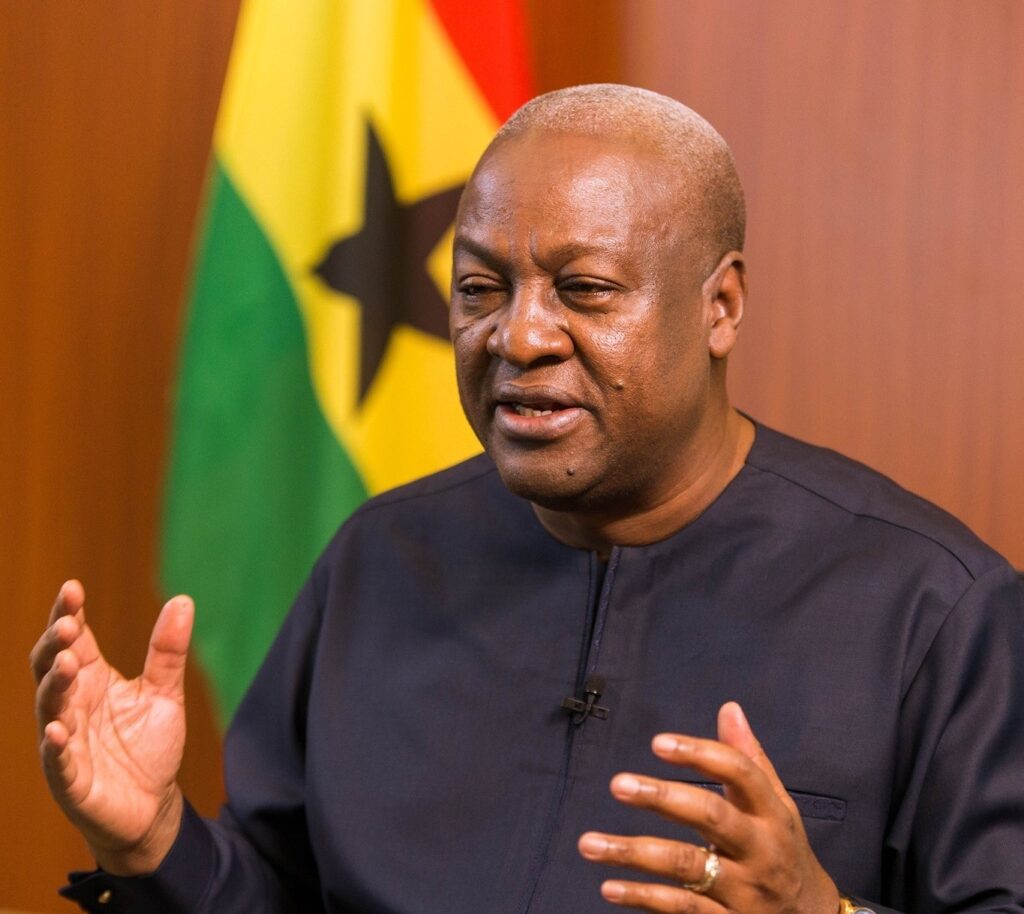
President John Dramani Mahama
Scores of airlines, both privately owned and the ones owned by the government, suffered immense blow as a result of the attendant travel restrictions and the consequential slump in demand. Indeed, a host of airlines declared bankruptcy, and others drastically reduced their flights, with massive cutting down of their workforce.
“By 8 October 2020, 43 commercial airlines had gone bankrupt” (Wikipedia).
Thus, the aftermath of the pandemic was quite dislodging for the aviation industry worldwide.
However, shortly after the pandemic, there was a remarkable rebound globally. In the 3rd and 4th quarters of 2021, Ghana recorded a 76% surge in total arrivals during that period, Ghana Tourism Authourity reported in its findings.
“The positive trend continued with arrivals nearly doubling in 2022, marking a 47% growth. In 2023, arrivals reached 1,148,002, showing a 25% increase from the previous year and a 2% rise above pre-COVID figures, signaling a strong recovery” (Ghana Tourism Report 2023).
On the global space, well after the pandemic, in their 2024 World Tourism Barometer report, the UN Tourism (formerly UNWTO) announced that an estimated 1.4 billion tourists travelled internationally in 2024, indicating a virtual recovery (99%) of pre-pandemic levels.
According to the latest report’s projection, growth is expected to continue throughout 2025. This will see a growth of 3% to 5% in 2025 compared to 2024, that is, assuming that “global economic conditions remain favorable, inflation continues to recede, and geopolitical conflicts do not escalate.”
Consequently, “around 64% of UN Tourism Panel of Experts see ‘better’ or ‘much better’ prospects for 2025 compared to 2024.”
Stavros G. Efthimiou concludes: “If managed strategically, the travel and tourism sector – which has historically represented 10% of global GDP and employment – has the potential to emerge as a key contributor to the well-being and prosperity of communities worldwide.”
In a recent interview with the Aviation & Allied Business Journal, Mr. Abderahmane Berthe, the Secretary General of African Airlines Association (AFRAA), was asked what he thought were the challenges and opportunities for the African aviation industry, against the unique and peculiar background of the aviation industry in Africa, his response was in the affirmative.
“I consider that the future is very bright for Africa, in terms of air transport development. And we need to create the conditions to support it because, air transport is critical for the economic integration of the continent.”

Mr. Abderahmane Berthe: Air transport is critical for the economic integration of the continent. Photo: Myjoyonline
Against the context of the foregoing, it becomes reasonable to assume that the aviation terrain has fully recovered to its pre-pandemic state, with promises of even a brighter future for the industry. Thus, the question whether this favourable environment should not be enough incentive for Ghana to honestly and sincerely resolve to eventually get the national carrier up again in the skies becomes more pertinent.
Time now for Ghana National Carrier to fly?
Surely, from all indications, the dominant response to the above question would be that it is already long overdue for the national carrier to be back in the air.
The well-known story of the several attempts to get the Ghana International Airline back in the air says that, despite the disappointing insincerity that has marked attempts to get the airline back, the underlying message is that Ghana knows the value of a national carrier and wants it back.
Disturbingly, the reasons for the past failures of the attempts to get the national carrier back to business has had nothing to do with the ignorance of the value and positive economic effect of the project, nor could it be attributed to the absence of the appreciation of the existing viable investment environment.
Rather, despite the well-known developmental values of a national carrier, the stumbling blocks on the path of realizing the noble pursuit have been the retrogressive forces of selfish political and unpatriotic interests that have insistently continued to militate against achieving any success in the fulfillment of that good cause.
For a nation that is desperately in need of increasing its source of revenue, it becomes inconceivable that attempts at restoring what offers more than revenue to the nation would be severally thwarted for lack of sincerity of purpose.
Credit – Aviationbusinessjournal
Considering that the venture has the potential to significantly contribute to the country’s development, both economically and politically, it cannot be reasonable, or acceptable, that the plan to establish, or revive, a home-based carrier has been mentioned in five budget statements, consecutively, over the last seven years! The latest update, according to a Daily Graphic report (June 29, 2024), was in 2023, in which a name for the airline was even already chosen to be Ghana Airlines. The Daily Graphic further reveals that the root of the apparent dishonesty relating to this vital project could be traced as far back as seven years ago.
It is only when there exists a lack of sense of purpose and integrity that such a nonsensical decision would be taken by government officials supposed to be taking care of the interest of their nation. Just as conversely, it is only when there exists an opposite of such a dark state of mind that the developmental goals of a nation could be advanced.
Now, the current government has expressed its good intentions to revisit the pursuit once again, and the question begging for an answer is: Should the seeming endemic corruption and politicization of the project be allowed to dampen positive expectations and fester skepticism at the instance of another fresh move from the NDC government? Not all, because the benefits of getting it right far outweighs any reckless skepticism.
Is a national carrier beneficial to Ghana?
Professor Peter Quartey, the Director of Institute of Statistical, Social and Economic Research, University of Ghana, once told the Daily Graphic that a national airline served as a vital component of a country’s transportation infrastructure, providing convenient and reliable air travel services for citizens, tourists and business travellers. He asserted that, especially in Ghana’s situation, a national carrier would play a crucial role in revenue generation, promote tourism and trade, and enhance cultural exchange through the connecting cities and regions.

Photo: Modern Ghana
The views of the avid socio-economic commentator is widely held and attested to by experts, as well as by research findings from across the globe.
To elucidate further on the benefits accruing to a nation from a successfully run national carrier, the explanation of the Air Transport Action Group (ATAG) appears to articulate these benefits more succinctly:
“A national airline can offer several benefits to a nation, including economic growth, increased connectivity, and enhanced national image. It can facilitate tourism, boost trade, and create jobs within the aviation sector and related industries. Additionally, a national airline can serve as a lifeline for remote communities and facilitate rapid response to disasters” – Air Transport Action Group (ATAG).
Surely, these benefits cannot be viewed as strange to Ghana as the nation has tasted of them in the early years of her national carrier – Ghana Airways – when it was more efficiently run.
However, the example presented by Africa’s own Ethiopian Airline more than amply demonstrates these benefits. The airline wholly owned by the Government of Ethiopia, and unfettered by government intervention, which is quite rare in these parts, has been so consistently successful that its contribution to Ethiopia’s economy has been impressive and roundly commended in the global aviation industry.
“In the last fiscal year, ending on 30 June 2024, the airline reported record revenues of $7.02 billion (over 402 billion Ethiopian Birr), reflecting a 14% year-on-year increase. It transported 17.1 million passengers, with 13.4 million on international routes and 3.7 million domestically” the African Development Bank revealed at the signing of their agreement (letter of intent) with the Ethiopian Airlines Group for the development of the East African nation’s planned Abusera International Airport Project.
This airline that leads on the list of such successful State owned airlines worldwide, establishes the truth that, devoid of government’s interference and insincerity of purpose in establishing such national carriers, national carriers could be an invaluable asset to the State that own them. It has the capacity to keep a nation’s economy growing and constantly active, sustains connectivity, continually boosts tourism (international and domestic), increase trade and foreign exchange earning, creates jobs, ensures admirable and respectable national Image, catalyzes social development, etc.

One might then be inclined to think that, perhaps, such a success might be precisely what this present Ghanaian government has finally decided to achieve this time around, knowing full well that their previous attempt count as one of the unsuccessful attempts by successive governments of Ghana to get the national airline going.
Creating the enabling environment for success
Irrespective of the good reports and favourable projections for the performance of the aviation industry in the years ahead, we are also reminded that there are still some huddles to forestall or skip along the paths to enjoying full manifestations of the forecasts of the experts.
The 2024 World Tourism Barometer report of the UN Tourism, referred to earlier in this article, also warns that, despite post-pandemic growth, the global tourism sector still faces complex challenges.
In an article captioned Challenges and opportunities for the aviation industry in 2025, while acknowledging the record-breaking passenger numbers and revenues in 2025, Satair also cautions that the aviation industry faces significant challenges. These challenges are listed as including geopolitical instability, rising aviation fuel costs, labour shortages and supply chain disruptions; to which one should also add airport infrastructure development (more specific to us in Ghana), environmental risks, sustainability practices, catching up with the new digital technologies, such as big data and artificial intelligence, etc.
Although it should be acknowledged that Ghana has been making modest strides in the area of infrastructure and general airports development. It could be recalled that not too long ago, Ghana’s Kotoka International Airport (KIA) was recognized as the “Best Airport by Size and Region (2-5 million passengers per year) in Africa” by the Airport Service Quality (ASQ) Awards. According to records, that was the third consecutive time that KIA has has been so recognized and awarded.
“Additionally, KIA has been recognized for providing superior customer experience. While it has not been specifically ranked globally in terms of overall airport size or capacity, it is known for its modernization and connection to major destinations” – Ghana Airports Company Limited.
Nevertheless, if the government is truly determined this time to pursue this worthy cause to its much welcome logical end, the following should be a sine qua non for achieving a national carrier capable of meeting the nation’s expectations and ranking amongst the best in the world:
- Sincerity of purpose devoid of any political agenda
- Determined intent to protect the project from government interference and corruption
- Engagement of professionals to oversee and to manage the investment
- Prioritization of Safety issues
- Sustained airport modernization and infrastructure upgrades at all the airports
- Review of the current high taxation of air tickets
- Create a fair competitive environment favourable for other airlines (local and international) to thrive
- Review of the current high charges and Landing costs
- Adequate and efficient arrangement to manage the availability and challenges of expensive jet fuel
Are all the cards on the table?
President John Dramani Mahama has been reported to have spoken of his government’s intention to revive the comatose national airline whenhe was receiving the letter of credence from the United Arab Emirates Ambassador to Ghana, Dr. Abdulla Muraid Sulaiman Mohammed Al Mandoos. Surely, that underscores the seriousness of the matter, and its importance to the government of Ghana.
However, looking through the budget statement of his administration, it comes across as strange that no aspect of this capital intention was distinctly captured in the government’s business/expenditure plan. Amongst the intentions mentioned in the budget concerning aviation were the continuing infrastructural development of the airports and the establishment of a “pilot training academy and a Maintenance, Repair, and Overhaul (MRO) Facility” at the currently dormant Ho Airport.Is there something Ghanaians ain’t politically getting?
Credit: thebusinesstraveller.net




More Stories
Lyse Doucet: Trump is shaking the world order more than any president since WW2
At Davos, Trump Faces a Wary World at a Volatile Moment of His Own Making
Russia’s economy is struggling. But that won’t bring Putin to the negotiating table for years